Summary: Travel industry software covers distinct needs, from reservations and distribution to itinerary design, agency operations, and corporate travel management. The right system depends on your business model and the work you need it to support. Compare workflow coverage, integrations, migration, and full implementation costs before choosing a platform.
A trip may begin with a sales inquiry, then move through itinerary design, supplier coordination, payment, and traveler support. When each step lives in a different tool, staff spend time transferring details and checking versions. Our travel software guide explains how travel businesses can assess their software needs around real workflows, rather than starting with a feature list.
The term travel industry software describes a broad mix of systems, not one standard product category. Skift Research’s 2026 State of Travel report frames the global travel industry as an $11 trillion sector, spanning consumers, commerce, operations, and experiences. For software buyers, that range makes it especially important to define which part of the business a platform needs to support.
What does travel industry software cover?
A travel company’s business model determines what its software must do. A travel agency may need to build personalized proposals and keep client details organized. A tour operator may prioritize bookings, availability, and distribution. A corporate travel team may focus on booking controls, policy approvals, and expense oversight.
Most tools fall into a few overlapping groups:
These categories can overlap, but overlap does not mean every platform replaces every other tool. A booking engine may manage reservations without covering bespoke proposal production. An itinerary builder may present trip details without handling supplier bookings or financial tracking. Reviewing the wider travel technology ecosystem can help you identify which systems should share data and where specialist tools remain necessary.
Which software fits your travel business model?
Consider a boutique advisor, a destination management company, and a multi-day group trip organizer. All may create itineraries, yet their day-to-day needs differ. One might prioritize client communication, another supplier and margin coordination, and another booking, payment plans, and traveler details.
Current platforms illustrate these different emphases. Tourwriter is aimed at bespoke and luxury travel businesses, with itinerary design, CRM, bookings, and financial management. Travefy combines itinerary and proposal tools with client and business workflows for travel advisors. Tern brings advisor-facing work together with agency operations such as commissions, credentials, and reporting.
WeTravel focuses on the operational needs of multi-day travel businesses, including bookings, payments, and traveler information. Odys is positioned around destination management company workflows, including proposals, margin visibility, and trip operations. These examples describe different areas of focus, not a universal ranking. Compare each system against your own workflows and confirm whether its integrations cover your suppliers and business tools.
For travel agencies, destination management companies, and tailor-made trip businesses, the workload often extends from inquiry through proposal, approval, booking coordination, and payment. Our software for travel businesses brings itinerary production, budgeting, proposals, CRM, supplier management, invoicing, and trip financial tracking into a shared workspace. That broader coverage can suit teams looking to connect more than just their booking or itinerary step.
When does an integrated travel platform make sense?

An integrated platform can be useful when staff repeatedly re-enter trip details across sales, production, operations, and finance. Connecting a proposal to its budget and operational record can reduce version mismatches and make it easier to see what has been approved, booked, or invoiced.
Our platform supports custom itineraries, dynamic budgeting, client proposals, CRM follow-up, supplier booking management, invoicing, and financial tracking. It also includes reusable project templates, helping teams adapt existing itineraries and pricing structures rather than rebuilding every proposal from scratch. Whether that coverage fits depends on how your team handles reservations, supplier confirmations, and financial systems.
In 2026, our company-reported operating figures include more than 600 agencies across 70 countries, over 4,000 active monthly users, and more than 11,000 unique itineraries created each month. These figures describe use of our platform, not guaranteed results for an individual business. They may help buyers assess whether a travel-focused platform has experience serving different business models and operating contexts.
What should you test before selecting a platform?
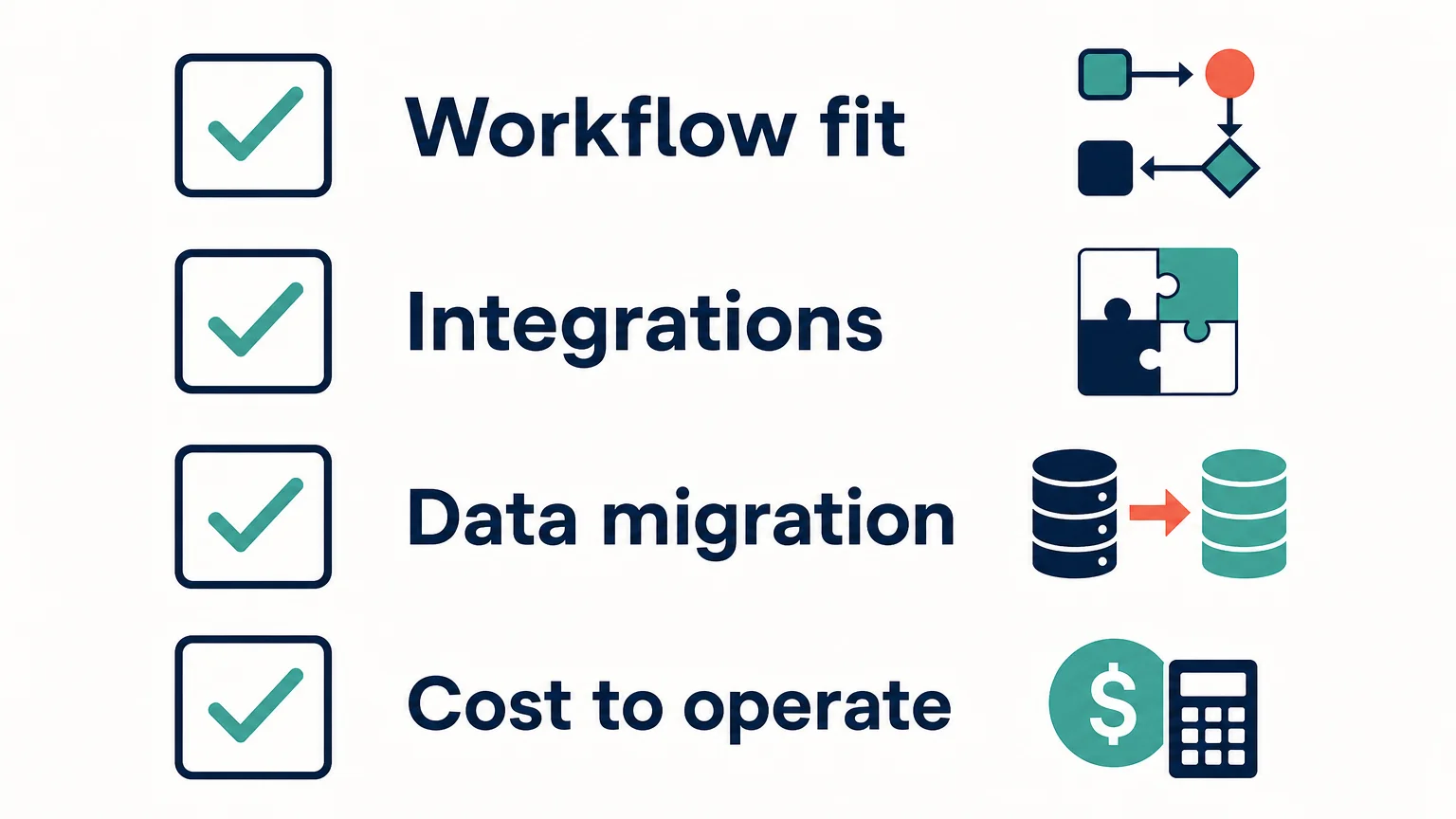
Before booking a demo, list the tasks your team needs the software to support. Then test those tasks with a realistic example, such as preparing a multi-country proposal, changing a supplier cost, or updating an approved itinerary. A polished presentation alone does not show whether the underlying workflow suits your business.
For any industry forecast used in a business case, check both its geography and evidence period. Deloitte’s 2026 travel outlook is US-focused and draws on research efforts conducted in 2025. A forecast can help frame planning, but it does not replace testing a platform against your own requirements.
Our essential software for travel agencies article can help you think through the tools involved. Use that broader view to decide whether you need one platform to cover connected workflows, several specialist tools, or a combination of both.
How do pricing and migration affect total cost?
Subscription price is only one part of a software decision. Include the initial setup, data preparation, migration, configuration, training, integrations, and ongoing per-user costs in your estimate. Also confirm whether optional services are priced separately and how changes in team size or subscription terms affect the total.
Our 2026 Professional plan is listed at 75€ per user per month when billed annually, and our Premium plan at 100€ per user per month when billed annually. Both exclude tax. A mandatory one-time Onboarding Pack costs 1,990€ excluding tax; formatted data import is listed at 390€ excluding tax, while raw-data import is quoted according to the work involved. Additional training, imports, and customizations are billed only when selected. Enterprise is billed annually and priced on request for organizations with at least 30 users.
As one example of why market definitions matter, Fortune Business Insights estimates the narrower travel and expense management software market at USD 4.63 billion in 2026. That figure is not the value of all software used across travel businesses. Compare estimates only when their categories, geography, and reporting period match your question.
Choose around the work your team needs to do
Start with your business model, map the steps from customer inquiry through delivery, and identify where your current tools lose or duplicate information. Then compare platforms on workflow coverage, integrations, migration, and full cost, using realistic tasks in a demo. The right travel operations software should support the way your team works today while making its most important handoffs easier to manage.
Connect the workflows behind each trip
If your team is balancing itineraries, proposals, supplier details, and finance across disconnected tools, consider whether a shared workspace would fit your process. Look for a system that can support your real use cases, not just a polished demonstration.
Our cloud platform supports travel production, sales, operations, and finance, from itinerary design and budgeting to proposals, supplier booking management, invoicing, and trip-level financial tracking. We provide onboarding, configuration, and training to help your team prepare for implementation. Explore our travel agency software to see whether its workflows match your business.
Frequently Asked Questions
What is travel industry software?
It is a broad term for digital tools that help travel businesses manage tasks such as bookings, itineraries, client relationships, finance, or corporate travel. Some platforms focus on one function, while others connect several workflows.
Is travel industry software the same as a booking system?
No. A booking system generally focuses on reservations, availability, or sales channels. A broader travel platform may also support proposals, CRM, supplier coordination, invoicing, and financial tracking.
Which software should a small travel agency consider?
Begin with the workflows that take the most staff time, then check whether you need a specialist tool or a platform covering several connected tasks. Our travel-business platform may suit agencies that want to connect itinerary production, budgeting, proposals, CRM, and finance.
Can travel software connect with accounting or CRM tools?
Some platforms offer built-in connections, APIs, webhooks, or no-code connectors, but availability can depend on the product and plan. Confirm compatibility with your exact systems and ask whether configuration or custom integration work costs extra.
What should a travel company include in its software budget?
Consider subscription charges, onboarding, migration, training, integrations, and other selected services, as well as the costs of any tools you will continue to use. Check billing frequency, tax treatment, and renewal terms before comparing quotes.
.jpeg)

Join Ezus today
Request a demo today and discover how our software can help you reach new heights.



.avif)
.avif)