

When a traveler asks for a complete trip, a flight or itinerary alone may not answer the real need. Accommodation often determines the practical quality of the journey, from location and room type to cancellation terms and arrival logistics. If you are expanding your travel offering, our guide to add flights to your travel offerings can help you connect another major trip component to the same commercial workflow.
Adding hotels becomes valuable when it improves the traveler experience without creating hidden operational work. Your team must compare properties, verify rates, align nights with transport, calculate margins, and communicate conditions clearly. The right process treats each hotel stay as part of one coordinated trip rather than as an isolated reservation.
What should adding hotels achieve for your agency?
Start with the client outcome, not the supplier list. A hotel should support the purpose of the trip, fit the itinerary, and make the overall proposal easier to understand. A city break may require a central property near public transport, while a tailor-made circuit may need carefully selected stays that match changing destinations and travel times.
Accommodation also affects the commercial structure of your package. The room category, meal plan, cancellation policy, taxes, resort fees, transfers, and commission conditions can change the final price substantially. Your team should therefore define the complete hotel cost before presenting the proposal, rather than adding unclear adjustments later.
Market conditions make this discipline important. In its 2025 hotel outlook, CBRE expected United States RevPAR growth of approximately 2% while warning that operating costs could rise faster than total revenue. For agencies, the practical lesson is clear. Demand does not remove the need for careful supplier selection and margin control.
A strong hotel addition should achieve four things:
Match the traveler profile, destination, budget, and itinerary pace.
Give your team a complete view of cost, markup, commission, and taxes.
Provide clear terms that the client can review before approval.
Leave a reliable record for booking, invoicing, changes, and follow-up.
How do you select the right hotel inventory?
Consider a family traveling through several countries. The cheapest property may create long transfers, unsuitable room arrangements, or complicated cancellation exposure. A slightly more expensive hotel can sometimes produce a better overall proposal because it reduces transport friction and better supports the traveler’s priorities.
Build your selection around five criteria. First, assess location in relation to the itinerary. Second, confirm the room configuration and maximum occupancy. Third, review the rate conditions. Fourth, check availability for the exact dates. Finally, verify whether the property can support special requirements, such as accessible rooms, connecting rooms, dietary needs, or group arrangements.
Channel choice also deserves attention. Deloitte’s 2025 travel industry outlook highlighted expanded offerings and international travel trends as important areas for travel companies. That does not mean every agency should add every hotel source. It means your distribution strategy should reflect the destinations, traveler segments, and service levels you actually sell.
When evaluating suppliers, record the commercial details in a consistent format:
Net or gross rate and currency.
Commission structure or markup rules.
Taxes, fees, and mandatory local charges.
Payment deadlines and deposit requirements.
Cancellation, amendment, and no-show terms.
Room types, occupancy limits, and included services.
Emergency contact details and escalation procedures.
This information should be searchable and reusable. Rebuilding the same supplier comparison from emails or spreadsheets increases the risk of outdated prices, overlooked restrictions, and inconsistent client documents.
How can you add hotel stays without losing margin visibility?
The critical distinction is between adding a hotel visually and adding it operationally. A property can appear in a proposal, yet still be missing from the cost calculation, supplier record, booking status, or invoice schedule. Your process should connect the hotel selection to each later step.
Begin by creating a structured hotel line in the itinerary. Include the property name, destination, check-in and check-out dates, number of nights, room category, occupancy, meal plan, rate basis, and booking status. Then connect the line to the relevant supplier terms and internal pricing rules.
When the hotel changes, the financial impact should be visible immediately. A room upgrade may affect the supplier cost, client price, commission, taxes, and margin. The same applies when a traveler changes the number of nights or requests a different meal plan.
Industry booking data also illustrates why channel economics require attention. SiteMinder reported that, in 2025, hotel websites generated an average booking value of US$516, compared with US$445 for wholesalers, US$392 for global distribution systems, and US$312 for online travel agencies. These figures describe hotel-side booking channels, not agency profitability, but they reinforce the need to understand how each source affects value and conditions.
For a centralized approach, our supplier management tools help connect supplier information with trip production and operational follow-up. The objective is not to remove professional judgment. It is to make the consequences of each hotel decision easier to see before the client receives the proposal.
Protect margin by separating three values:
Supplier cost, including applicable taxes and fees.
Client price, including your markup or commission model.
Expected margin, based on the complete hotel component.
Do not rely on memory for these values. A clear structure lets another team member review the proposal, update a rate, or handle a change without rebuilding the calculation.
Which workflow keeps hotel booking information reliable?
Imagine a client approving a ten night itinerary with four hotel stays. The sales team may receive the approval, production may contact suppliers, finance may prepare the invoice, and operations may later need confirmation numbers. Without a shared workflow, each team can hold a different version of the same trip.
A dependable process usually follows this sequence:
Define the requirement. Record destination, dates, nights, occupancy, room needs, budget, and traveler preferences.
Shortlist suitable properties. Compare location, category, services, supplier terms, and availability.
Price the stay. Enter cost, fees, markup, taxes, and currency information into the trip budget.
Present the option. Show the property, room type, inclusions, exclusions, cancellation terms, and client price.
Obtain approval. Capture the client decision and any requested changes before confirming suppliers.
Book and record. Store confirmation numbers, deadlines, vouchers, payment status, and supplier contacts.
Reconcile the result. Compare the booked cost and final invoice with the original budget.
Each stage should have a clear owner. A sales adviser may select the hotel, while a production specialist confirms availability. Finance may monitor deposits and balances, while operations tracks vouchers and arrival information. Assigning responsibility prevents the common assumption that someone else has completed the booking.
Agencies managing several destinations can benefit from a documented supplier workflow. Teams that need a broader operating model can use our guide to manage suppliers in your travel agency to think through ownership, records, communication, and follow-up across the organization.
For groups and MICE programs, add another layer of control. You may need rooming lists, release dates, attrition terms, meeting requirements, meal functions, and separate billing arrangements. These details should remain connected to the main project instead of being stored in disconnected email threads.
What hotel information should the client see before approval?
A client should be able to understand the hotel choice without asking your team to interpret every line. Present the property name, location, room category, dates, number of nights, included services, total price, and important restrictions in a consistent format.
Do not hide conditions in small print or general terms. If breakfast is excluded, state it. If a city tax is payable locally, identify it. If the rate cannot be cancelled after a certain date, make that deadline visible. Clear communication reduces disputes and gives clients a fair basis for comparing alternatives.
Visual presentation also influences the perceived quality of the proposal. Use a concise description that connects the hotel to the itinerary. For example, explain that a property is near the historic center, reduces transfer time, supports an early departure, or offers room arrangements suitable for the group.
Flexibility has become a relevant commercial consideration in an uneven market. PwC’s 2026 hospitality outlook anticipated short-term RevPAR headwinds in the first two quarters of 2026, followed by moderate acceleration later in the year. The report characterized the period as normalization rather than a broad resurgence, which supports presenting alternatives and explaining rate conditions carefully.
When your client compares two hotels, make the trade-off explicit:
Lower price versus stronger location.
Flexible cancellation versus advance purchase savings.
Room size versus central access.
Breakfast inclusion versus a lower base rate.
Standard category versus an upgrade with a clearer benefit.
This approach turns hotel selection into professional advice. The client sees why the option belongs in the itinerary, and your team has a documented basis for the recommendation.
How should you measure the performance of hotel additions?
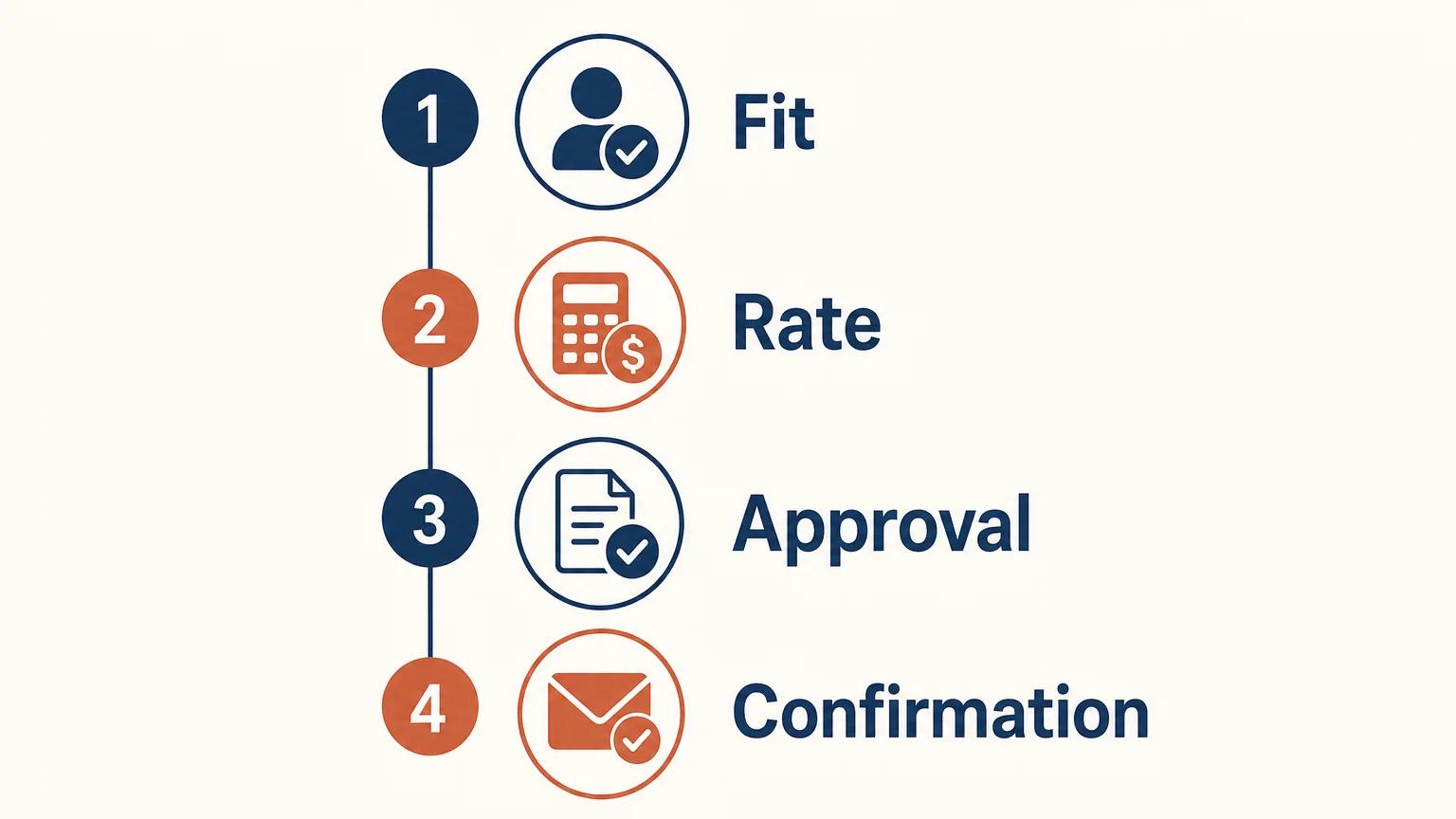
A hotel addition should be assessed by more than booking volume. The right metrics show whether accommodation improves the customer journey and remains manageable for your team.
Track the conversion rate of proposals that include hotel options, but interpret it alongside margin and workload. A high conversion rate may not be healthy if the team spends excessive time correcting supplier data or handling preventable amendments.
Useful measures include:
Time required to create and update a hotel option.
Proposal conversion when accommodation is included.
Average hotel margin by destination or traveler segment.
Rate or availability changes after client approval.
Number of booking errors, missed deadlines, or duplicate requests.
Time required to locate confirmation details.
Client questions caused by unclear inclusions or restrictions.
Review these measures by supplier and destination. One supplier may provide attractive rates but slow confirmations. Another may cost slightly more but offer dependable availability and clearer terms. The best commercial decision depends on the complete operating result.
For teams improving handoffs, our guide to optimize the supplier booking process provides a useful framework for reducing repetition and keeping booking information consistent. Your goal is a workflow that supports both faster proposals and more reliable delivery.
Finally, review the process after the trip. Check whether the hotel met expectations, whether the room category was correct, and whether the supplier handled changes effectively. This feedback can improve future templates, preferred property lists, and destination recommendations.
Make hotel additions operationally reliable
Adding a hotel successfully means connecting the property choice to the entire travel workflow. You need accurate inventory, transparent pricing, visible conditions, clear approval steps, and accessible booking records. When those elements work together, accommodation becomes a useful part of your travel proposition rather than another disconnected task.
Start with a consistent hotel record, define ownership at each stage, and review both commercial and service outcomes. This approach helps you protect margin, reduce avoidable corrections, and give travelers a more complete and confident journey.
Take action with Ezus
Hotel additions become easier to manage when itinerary design, pricing, client communication, supplier follow-up, and financial tracking share one operating structure. If your team is still moving between spreadsheets, documents, inboxes, and separate booking records, the first improvement is to centralize the information that controls each trip.
Our platform supports travel production, dynamic budgeting, customizable proposals, supplier booking management, client portals, invoicing, payments, and financial tracking. It is designed for travel agencies, DMCs, tour operators, and MICE teams managing tailor-made programs. Explore our travel agency software to see how a connected workflow can support your hotel and wider trip operations.
Frequently Asked Questions
What does adding hotels to a travel package involve?
It involves selecting suitable properties, checking availability and terms, pricing the stay, presenting it clearly, obtaining approval, and recording the confirmed booking. The process should also connect the hotel to invoicing, supplier follow-up, and traveler documentation.
Should agencies use direct hotel contracts or intermediaries?
The right choice depends on destination, volume, rate conditions, flexibility, and support requirements. Compare the complete commercial and operational result rather than focusing only on the displayed room price.
How can an agency protect its hotel margin?
Record the full supplier cost, including taxes and mandatory fees, before applying the client price. Review cancellation exposure, currency changes, commissions, and amendments so that the expected margin remains visible throughout the booking process.
What information should clients receive before approving a hotel?
Provide the property, location, dates, room type, occupancy, inclusions, exclusions, total price, and cancellation conditions. If local taxes, deposits, or non-refundable terms apply, state them clearly before approval.
Can Ezus support hotel booking workflows?
Yes. Ezus supports travel production, supplier booking management, dynamic budgeting, proposals, CRM, invoicing, payment workflows, and financial tracking. This can help agencies connect hotel details with the wider itinerary and operational record.
.jpeg)

Join Ezus today
Request a demo today and discover how our software can help you reach new heights.

.avif)



.jpg)