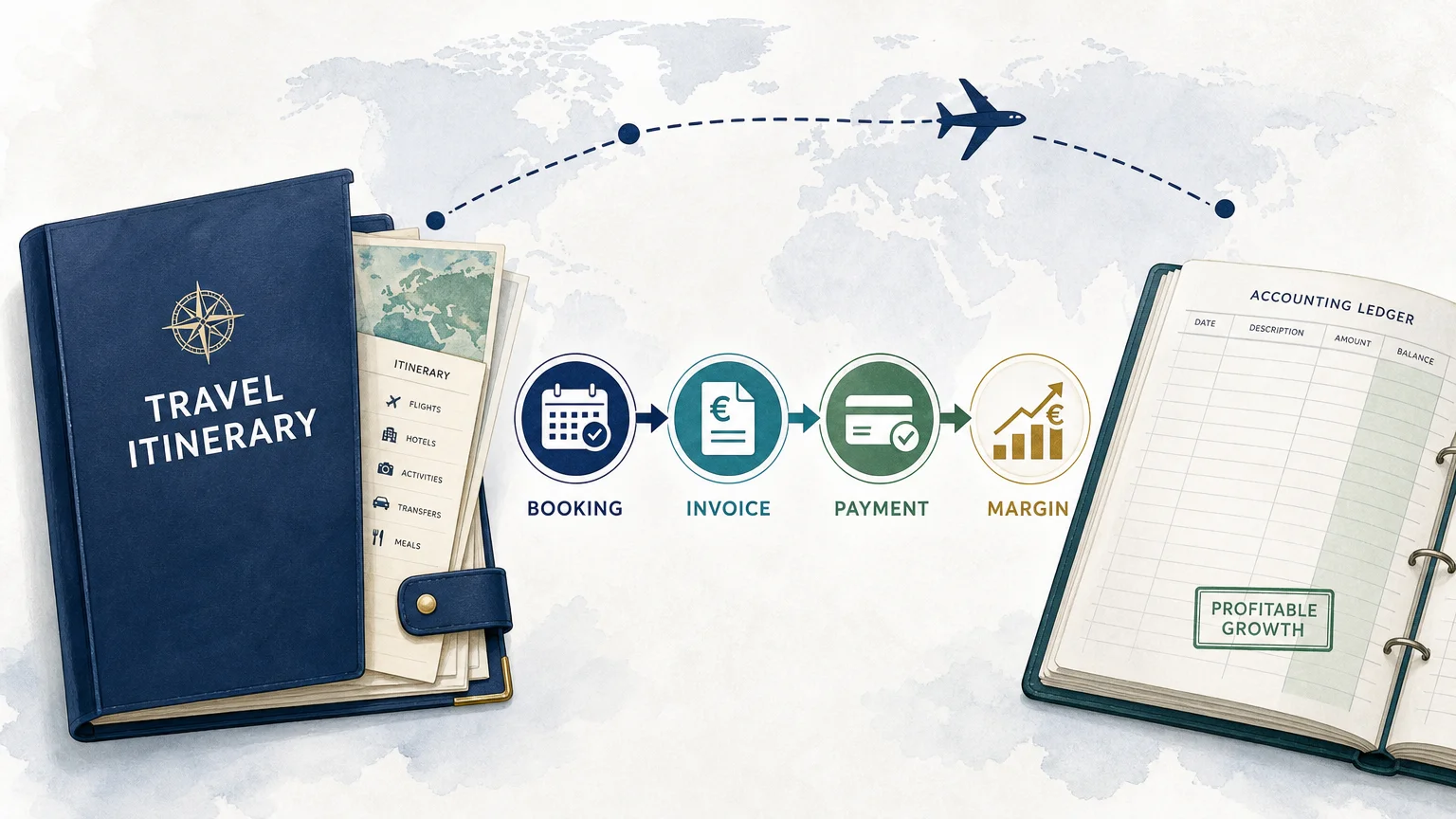
Summary: A travel itinerary planner centralizes trip building, pricing, and sharing in one tool. In 2026, 93% of Americans plan to travel, raising demand for faster, professional itineraries.
Ninety-three percent of Americans intend to travel this year, yet many trips still take shape across scattered spreadsheets, email threads, and word processors. For the professionals who design these journeys, that fragmentation costs hours and invites errors. A modern travel itinerary planner replaces the patchwork with a single workspace where days, activities, budgets, and documents live together. To move from manual assembly to structured production, our itinerary builder gives teams a reliable foundation.
Demand is not only rising, it is also becoming more sophisticated. Travelers now expect curated, personalized plans delivered quickly, and they compare the polish of one proposal against another. According to a 2026 IPX1031 study, 71% of Americans are actively budgeting for travel this year, which signals both intent and price sensitivity that agencies must address in every proposal.
What a Travel Itinerary Planner Actually Does
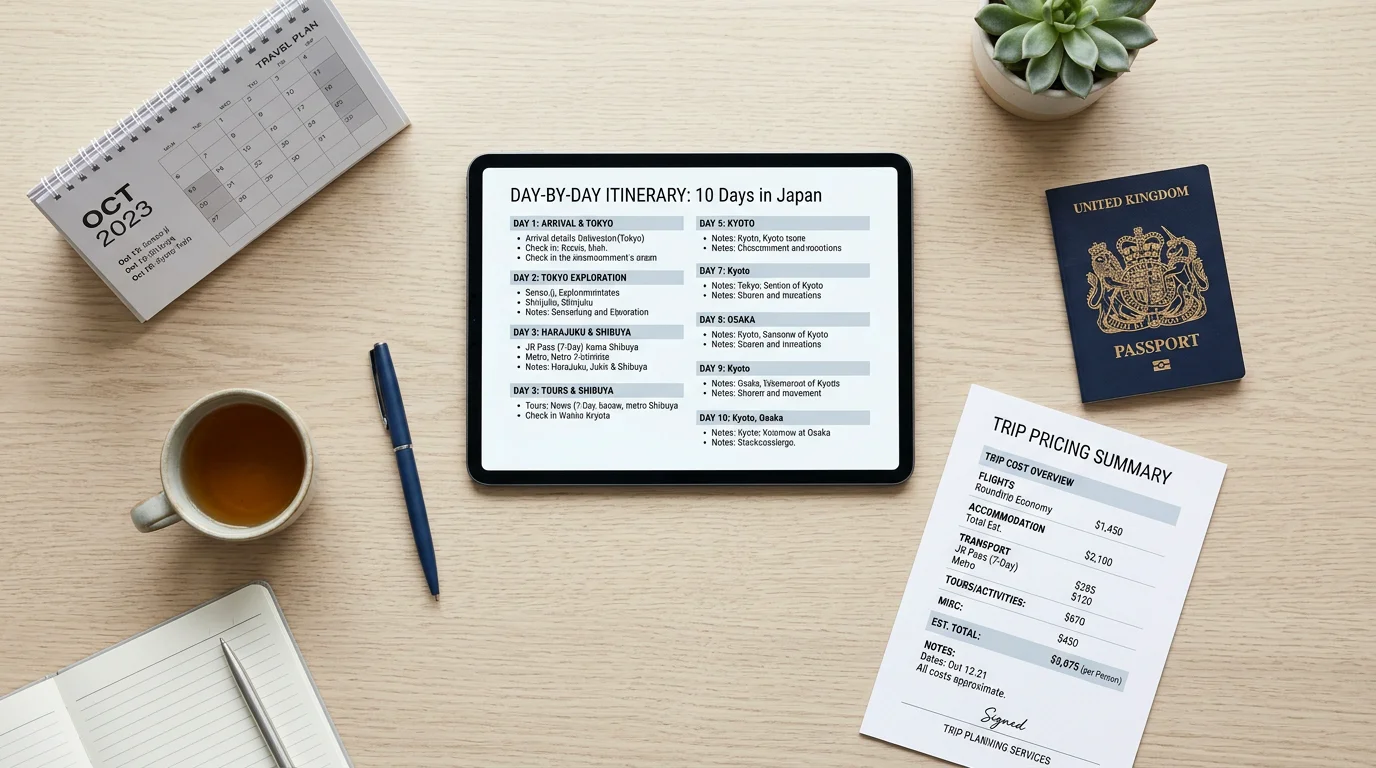
At its core, a trip planning tool converts a client request into a structured, day-by-day plan. It organizes accommodation, transport, activities, and free time into a readable sequence, then layers in costs, notes, and supporting documents. Instead of retyping the same details into different files, you build once and reuse everywhere.
For travel professionals, the value extends beyond organization. The right platform automates repetitive steps, from formatting to pricing, so that you can focus on selling and advising. Our itinerary-builder software is designed to generate custom itineraries, budgets, and sales documents from a single set of inputs, reducing the version mismatches that plague disconnected tools.

Why Demand for Structured Trip Planning Is Rising in 2026
Consider a client who books a milestone celebration abroad. That trip is rarely a single event anymore. American Express Travel research found that 82% of global respondents taking a milestone trip in 2026 plan to build in buffer days around the main celebration. Each added day is another set of activities, transfers, and costs to coordinate, which multiplies the planning workload.
Travelers also want breathing room inside their schedules. The same research reports that 87% of global respondents like to leave space in their itinerary for unexpected local discoveries. Balancing structure with flexibility is difficult on paper, but a dedicated planner lets you sketch anchor activities while keeping open slots clearly visible to the client.
Budget scrutiny compounds the pressure. With most travelers watching prices closely, agencies must present transparent, well-organized costs alongside the experience itself. A tool that ties pricing directly to the plan helps you answer questions quickly and protect margins as you adjust.
How AI and Automation Are Reshaping Itinerary Building
Automation has moved from novelty to expectation. In an AARP 2026 survey, the use of artificial intelligence for travel planning doubled from 8 percent to 16 percent among respondents aged 50 and older, one of the demographics once considered slow to adopt such tools. When even traditional travelers embrace automated planning, professional standards rise accordingly.
Consumer platforms illustrate where the momentum sits. The IPX1031 study noted that among Americans using AI for travel, 55% apply it to building itineraries, placing plan construction among the most common uses. Clients arrive with drafts generated in minutes, and they expect their agency to elevate, not merely match, that speed.
For agencies and destination management companies, the advantage is not raw speed but structured speed. Automating budgets, formatting, and document generation frees your team to add the expert judgment that software cannot replicate. When you need to produce customized travel itineraries at scale, automation handles the mechanical work while your specialists shape the experience.
Key Features to Look for in a Professional Planner
Not every tool built for individual travelers suits a business that quotes, invoices, and manages margins. When evaluating options, prioritize features that support the full workflow from request to payment rather than trip organization alone.
The distinction matters because consumer apps rarely handle quoting or invoicing. A planner aimed at professionals connects the creative side of trip design to the commercial side of running an agency, closing the gap where revenue often leaks.
CapabilityConsumer trip appsGeneric spreadsheetsOur platformAutomated proposalsLimitedNoneOne-click branded outputMargin visibilityNoManual formulasReal-time dashboardsClient approvalsBasic sharingEmail back-and-forthBranded client portalMulti-currency pricingRareManual updatesInstant, built-inTime saved per quoteNot measuredMinimalUp to 3 hours per quote
Best Practices for Building Itineraries That Convert
Timing shapes how travelers engage with a plan. According to Pilot's 2026 report, drawn from behavioral data on 40,000 travelers, people plan lunch into their itineraries 50% more often than dinner. Small patterns like this reveal how travelers actually think, and reflecting them makes a proposal feel considered rather than generic.
Speed of response also drives conversion. When an inquiry arrives, the agency that returns a polished proposal within minutes, not days, holds a clear advantage. Standardizing your process with a reusable travel itinerary template lets you start from a proven structure instead of a blank page every time.
Finally, keep the client involved without drowning them in email. A shared portal where travelers review, comment, and approve reduces the back-and-forth that stalls deals. Pairing clear visuals with transparent pricing builds the trust that turns a quote into a booking.
Manual Planning Versus a Dedicated Platform
Picture two agencies responding to the same request. The first assembles the trip in a word processor, copies figures into a spreadsheet, and emails a PDF. The second builds the plan once, generates the proposal automatically, and sends a branded portal link. The second agency responds faster, makes fewer errors, and presents a more professional face.
The hidden cost of manual work is not only time but risk. Disconnected tools create version mismatches, outdated prices, and lost files. Centralizing the workflow removes that friction and gives finance teams real-time visibility into projected versus actual margins, which matters as travel budgets tighten and clients scrutinize every line.
Conclusion
With 93% of Americans planning to travel this year, the appetite for well-crafted trips is strong, but so is the pressure to deliver them quickly and profitably. A capable travel itinerary planner turns scattered work into a repeatable process, letting you respond in minutes, price with confidence, and present proposals that win. The agencies that thrive will be those that pair human expertise with tools that remove manual drag. By unifying itinerary design, budgeting, and approvals in one place, we help travel teams protect their margins while scaling their output. To move faster on your next request, start with our travel itinerary template and build professional trips in less time.
Frequently Asked Questions
What is a travel itinerary planner?
It is a tool that organizes a trip into a structured, day-by-day plan covering accommodation, transport, activities, and costs. For professionals, it also automates pricing, documents, and client approvals in one workflow.
Can a planner help agencies quote faster?
Yes. By generating proposals and budgets from shared inputs, a dedicated platform removes repetitive formatting work. Our itinerary-builder software is designed to save up to three hours per quote while keeping pricing consistent.
Is AI reliable for building professional itineraries?
AI accelerates the mechanical parts of planning, and its use is rising quickly across all age groups. However, expert judgment remains essential for tailoring, negotiating, and quality control, so it works best as an assistant rather than a replacement.
.jpg)

Join Ezus today
Request a demo today and discover how our software can help you reach new heights.




.jpeg)